Compressor racks ↗
Parallel compressors allow a central plant to serve multiple loads and operating levels.
 ES
ICESQUARE / APPLICATIONS
Refrigeration for cold rooms, frozen storage and the different areas of a distribution center.
Ask the assistant ↗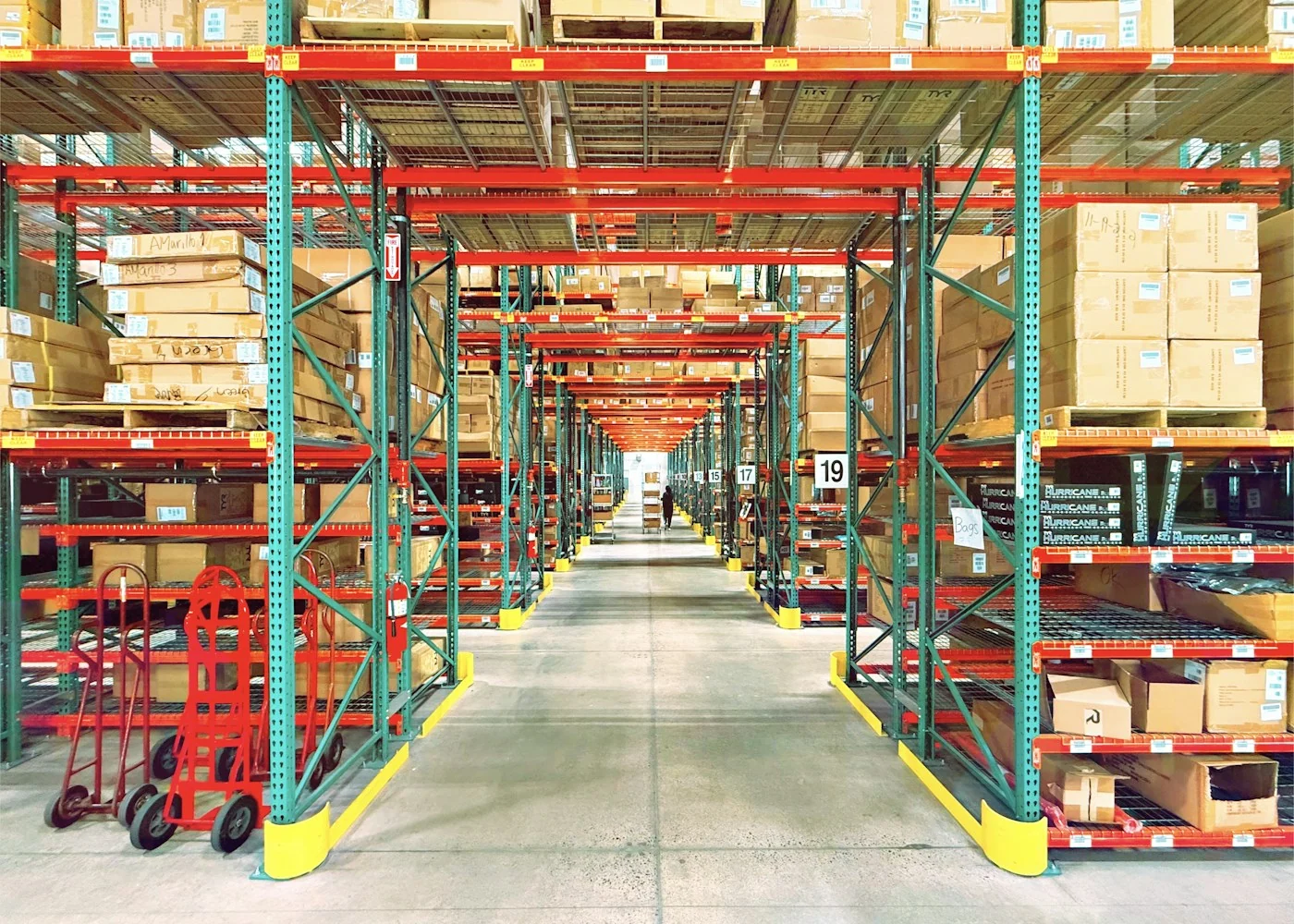
Evaporators remove heat from cold room air. Compressors circulate refrigerant and increase its pressure so the system can release that heat outdoors through condensation or a gas cooler, depending on the selected technology.
Evaporators serve cold rooms at their operating temperatures.
Compressors respond to the requirements of different services.
The system transfers the extracted heat and compression heat outdoors.
Parallel compressors allow a central plant to serve multiple loads and operating levels.
A CO₂ alternative to evaluate medium- and low-temperature services in an integrated architecture.
An NH₃ / CO₂ cascade couples two circuits through heat exchange; it can be evaluated for industrial and low-temperature needs.
Map cold rooms and logistics operations before choosing a central system. Preserving already chilled products requires a different study from cooling or freezing products arriving warm.
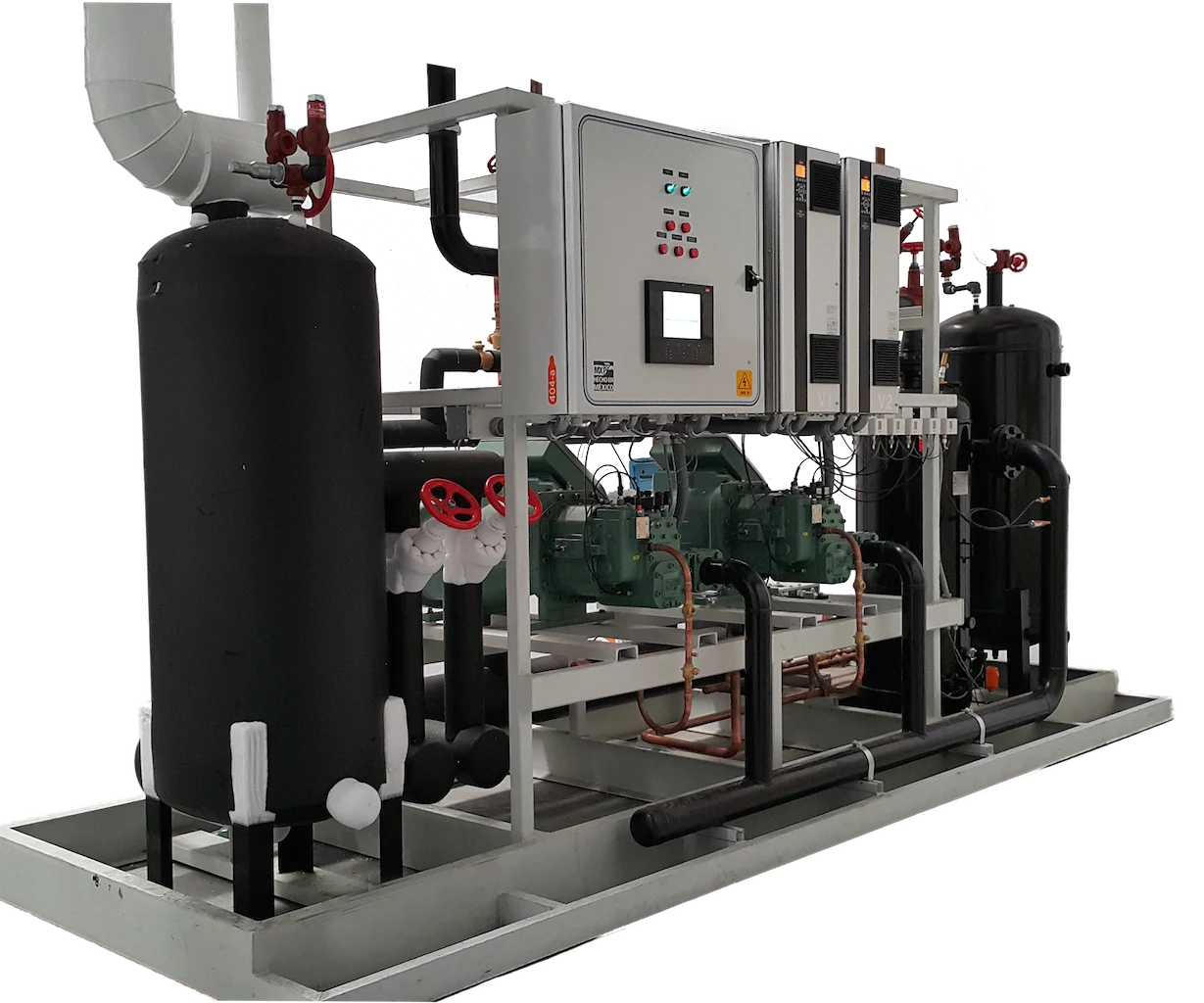
IS RACK
Parallel compressor systems for commercial and industrial refrigeration. We manufacture racks using conventional refrigerants, with configurations defined for each application.
View technical information ↗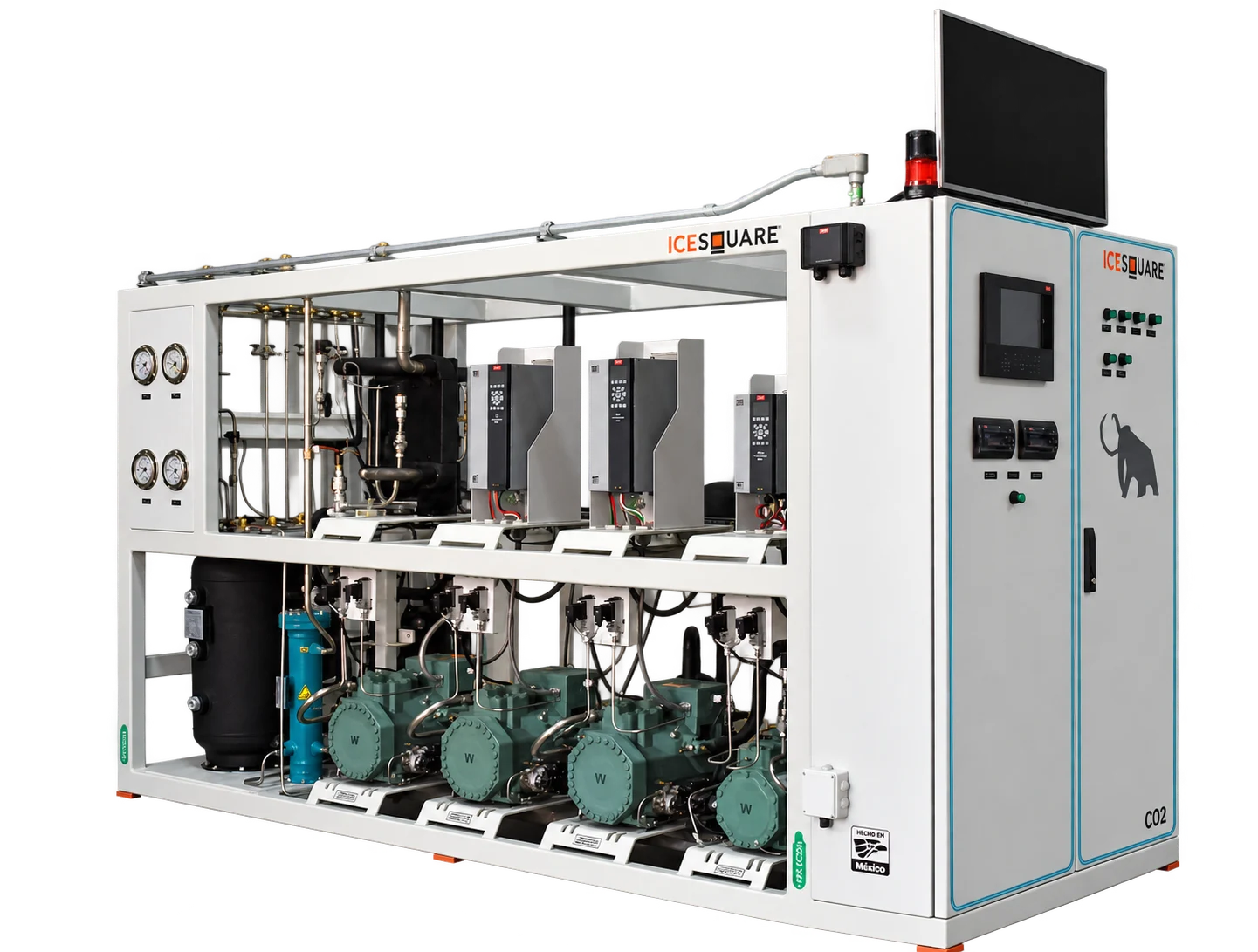
CONFIGURATION
We manufacture CO₂ booster systems for refrigeration projects. Loads, temperature levels and operating conditions define each solution.
View technical information ↗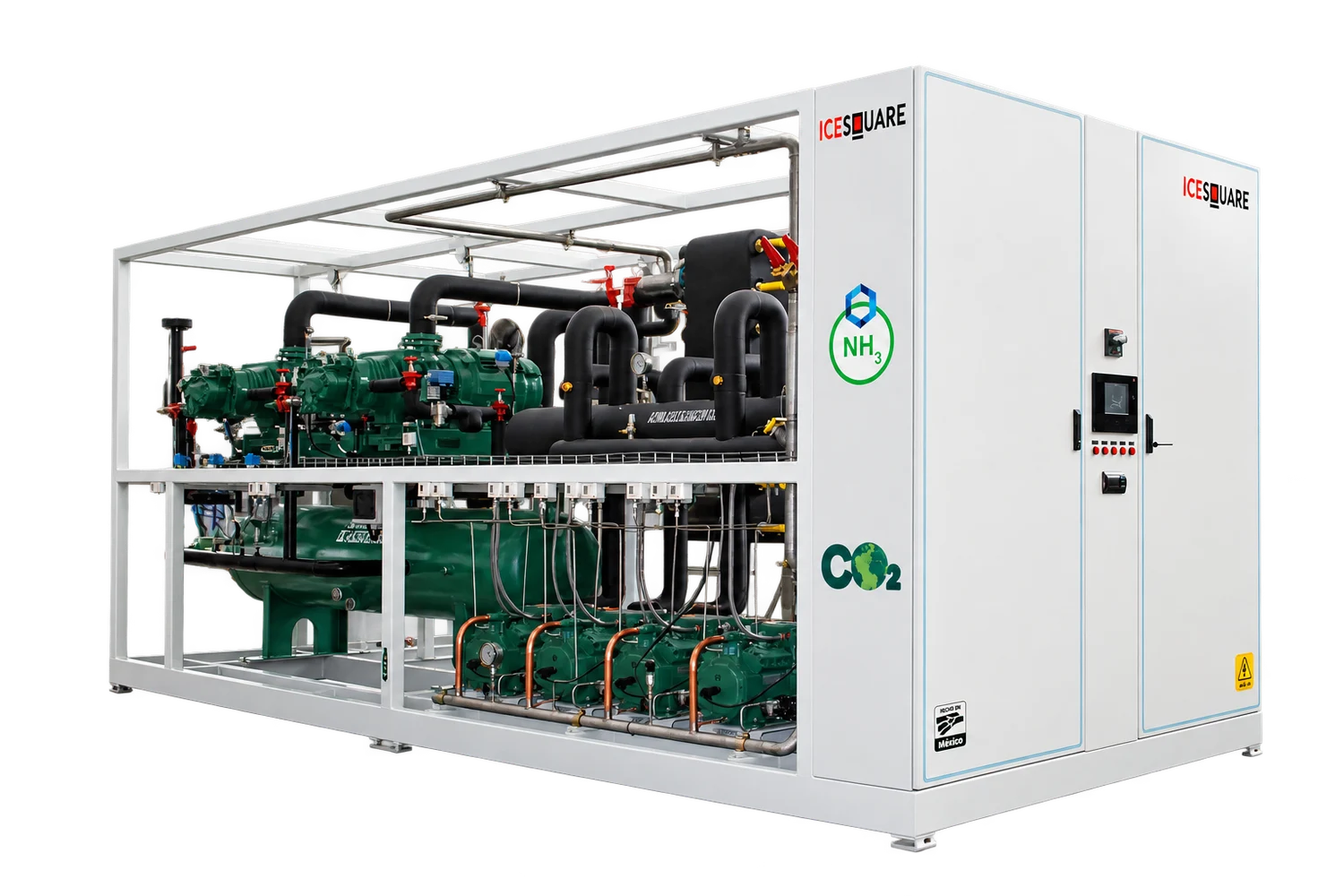
CONFIGURATION
We manufacture ammonia and CO₂ cascade systems for industrial refrigeration. We integrate both circuits into a solution defined around the process and project conditions.
View technical information ↗